How to Pick the Right Guide for Your Rural Japan Journey (And Why It Matters More Than You Think)
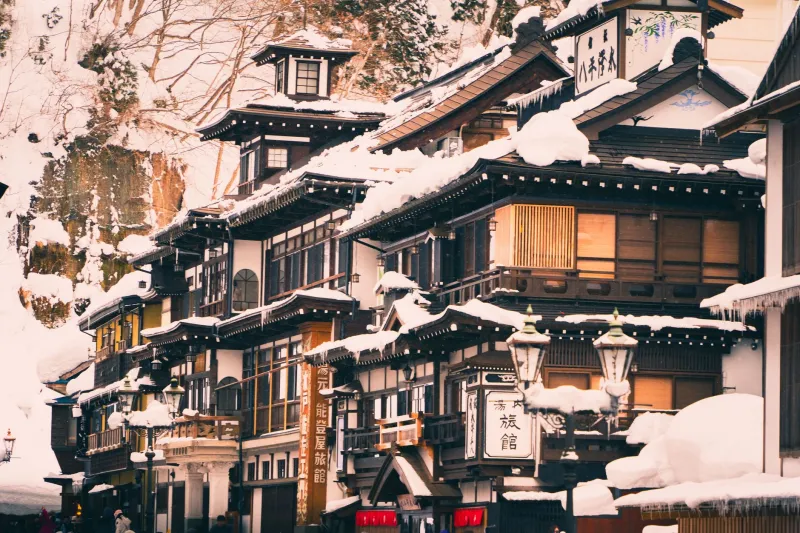
There's a moment that almost every first-time visitor to Japan's deeper countryside experiences. You've left the bullet train behind. The road has narrowed to something your rental car barely fits. You're somewhere between a cedar forest and a rice paddy, your phone signal is flickering, and you're not entirely sure if the small building ahead is a village office, a shrine, or a very quiet restaurant.
This is the moment when having the right local knowledge — the kind that lives in a person, not a Google result — becomes genuinely invaluable.
Whether you're spending a week soaking in the mineral waters around Hirayu, planning a longer slow-travel circuit through Japan's mountain onsen towns, or thinking about something more permanent like a rural property stay or extended village residency, knowing how to find and vet the right expert guide matters more than most travel blogs will tell you.
Here's how to think about it.
What Kind of Help Are You Actually Looking For?
Before you start searching for anyone, get honest with yourself about what you need. Japan's rural interior — the satoyama landscapes, the onsen valleys, the old post towns — is not a place that rewards vague intentions.
Are you looking for:
- A cultural interpreter who can help you navigate onsen etiquette, local customs, and the unspoken social rhythms of a small Japanese village?
- A logistics expert who knows which ryokan actually accepts international guests, which mountain roads close in winter, and which local festivals are worth rearranging your itinerary for?
- Someone with deeper regional knowledge — the kind of person who can tell you why the water at one bathhouse smells like sulfur while the one two kilometers away feels silky and odorless?
Each of these is a different kind of person. The best rural Japan guides tend to specialize. A generalist who knows Kyoto's tourist circuit is not the same as someone who has spent years embedded in a single onsen town and can introduce you to the 80-year-old innkeeper who's never had a foreign guest but will absolutely make you the best breakfast of your life.
The Difference Between Local Knowledge and Local Presence
This is subtle but important. Plenty of guides know about rural Japan. Fewer actually live it.
When you're evaluating someone to help you navigate Japan's countryside — whether that's a licensed tour guide, a cultural consultant, a property contact for a longer stay, or a regional specialist — look for signs of genuine presence in the landscape:
- Do they reference specific places by name, including the ones that don't appear in travel magazines?
- Can they tell you what the shoulder seasons actually feel like in that particular valley, not just what the weather data says?
- Do they have relationships with local innkeepers, bath attendants, farmers, or craftspeople — or are they working from a database?
In Japan's onsen culture specifically, local presence often shows up in small, telling details. Someone who truly knows a hot spring region will know which bathhouses have mixed bathing (konyoku) and which are strictly separated. They'll know the difference between a rotenburo that's genuinely private and one that's photographed by every travel influencer who passes through. They'll know what the locals actually eat for breakfast, and it won't be what's on the tourist menu.
Red Flags to Watch For
The slow-travel and wellness tourism space in Japan has grown fast, and not everyone offering guidance has earned the depth they're selling. A few things worth watching:
Overly polished, generic itineraries. If every suggested route hits the same five onsen towns in the same order with the same three ryokan recommendations, that's a template, not expertise.
No regional specificity. Japan's hot spring regions are wildly different from each other. The Hida highlands around Hirayu feel nothing like the volcanic drama of Beppu or the coastal quietness of the Izu Peninsula. Anyone who talks about "Japanese onsen" as a single uniform experience is skimming the surface.
Reluctance to talk about logistics. The best guides embrace the messy, practical stuff — transportation gaps, language barriers, cash-only businesses, seasonal closures. If someone only wants to talk about the poetry of the experience and not the 45-minute bus connection you'll need to make in the dark, keep looking.
Questions Worth Asking Before You Commit
Whether you're hiring a licensed guide for a week-long onsen circuit or consulting a regional specialist for a longer rural stay, these questions tend to surface the real depth:
-
What's a part of this region that most visitors completely miss? Listen for specificity. A good answer names a place, a season, a local experience — not a vague concept.
-
What's the hardest part of traveling here for an American visitor? Honest guides will tell you about the real friction points. The bathhouses with no English signage. The ryokan check-in process that requires a phone call in Japanese. The etiquette around tattoos that varies dramatically from place to place.
-
How do you handle it when something goes wrong? Rural Japan is beautiful and occasionally unpredictable. A guide who's only prepared for smooth sailing isn't prepared at all.
-
Can you connect me with anyone local? This is the real test. Guides with genuine regional roots can make introductions. Guides working from a distance cannot.
The Slow-Travel Philosophy Applies Here Too
Here's the thing about finding the right guide for your rural Japan experience: it mirrors the entire philosophy of slow travel itself. You're not optimizing for efficiency. You're not trying to see the most things in the least time. You're trying to go deep into something real.
The right guide — whether that's a human expert, a trusted local contact, or even a carefully curated set of written resources from people who've actually lived in these places — is the one who helps you slow down rather than speed up.
Japan's onsen culture is built on exactly this idea. The bath is not a thing you check off. It's a practice you settle into. The same is true of finding someone worth trusting to show you around.
Take your time. Ask good questions. Look for depth over polish. And when you find someone who genuinely knows the water, the roads, the people, and the quiet — hold onto them.
That kind of knowledge is rare, and in Japan's most beautiful countryside, it's worth everything.